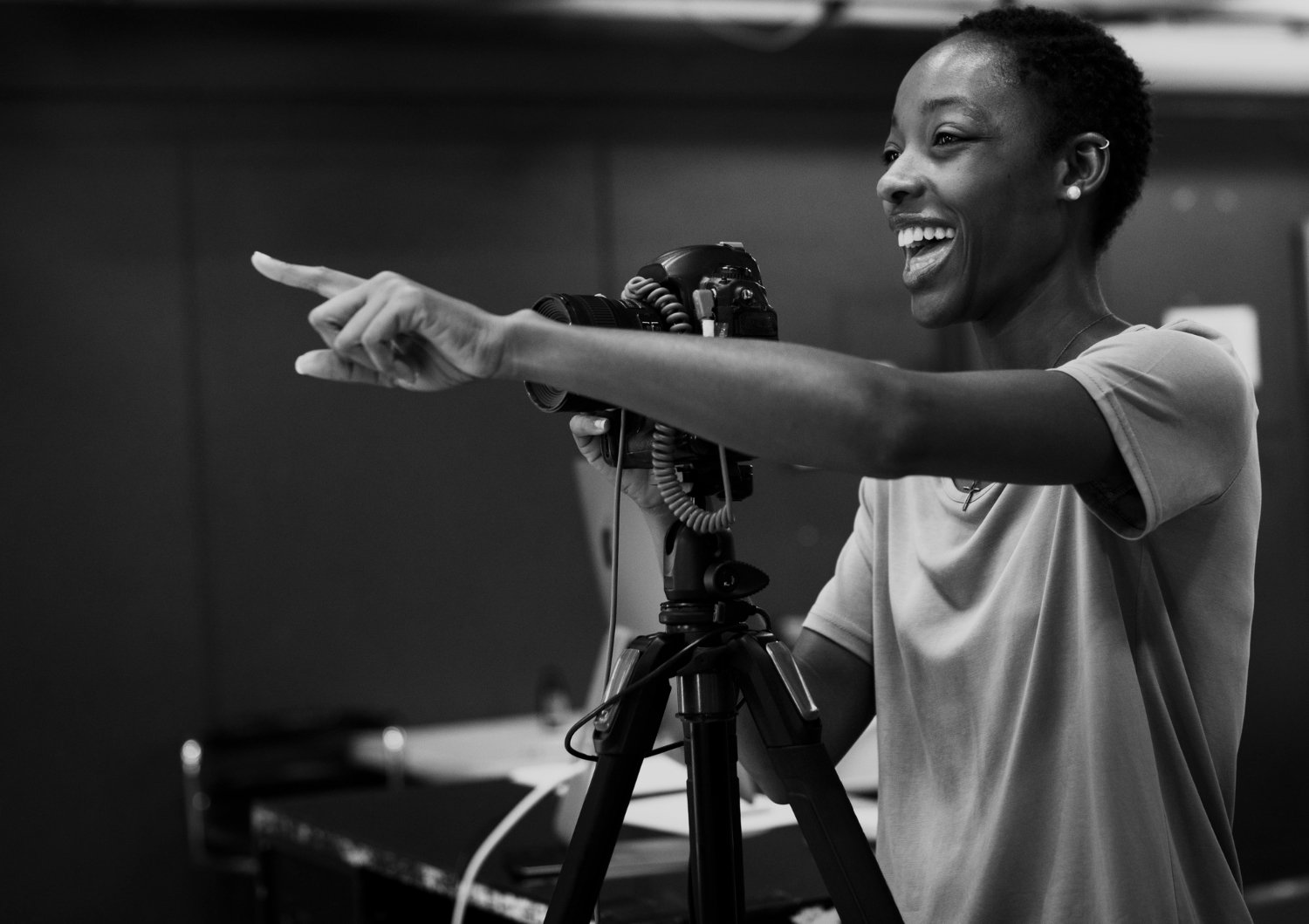
Kenya’s media and film industry is one of the most active and fastest-evolving creative sectors in East Africa. From Nairobi’s growing film production scene to the expansion of digital media, podcasting, and content creation, demand for trained media professionals has never been stronger.
The best film and media colleges in Kenya combine accredited programmes, professional-grade production facilities, and strong industry connections. Top institutions include Kenya Institute of Mass Communication, Daystar University, and United States International University-Africa. Your choice should align with your specific media interest, KCSE grade, and career goals.


Why Film and Media is a Serious Career Choice in Kenya in 2026
Kenya’s media landscape has undergone a dramatic transformation over the last decade. The country now has dozens of television stations, hundreds of radio stations, a rapidly growing digital content ecosystem, and an increasingly recognised film industry that is attracting international co-production interest.
Nairobi has established itself as the production hub of East and Central Africa. International streaming platforms have begun commissioning Kenyan content. Kenyan filmmakers are winning awards at international festivals. The advertising and corporate video production industry generates billions of shillings annually. And the rise of YouTube, TikTok, podcasting, and digital journalism has created entirely new categories of media employment that did not exist a decade ago.
For students with genuine creative talent, strong communication skills, and the discipline to master technical production craft, Kenya’s media and film sector offers a genuine and growing range of career opportunities — as a journalist, filmmaker, broadcaster, content creator, producer, editor, cinematographer, or media entrepreneur.
The key is choosing the right training institution. Kenya’s media education landscape ranges from world-class to deeply inadequate. This guide focuses exclusively on institutions with credible accreditation, professional facilities, and track records of producing graduates who actually work in the industry.
Read also: List of Accredited Colleges in Kenya (2026 Updated Guide)
Types of Film and Media Programmes Available in Kenya
Understanding the qualification landscape helps you identify the right entry point:
| Programme Type | Duration | Career Entry Point | KCSE Requirement |
|---|---|---|---|
| Certificate in Journalism / Media | 1 year | Junior reporter, content writer, social media assistant | D+ and above |
| Diploma in Journalism | 2 years | Reporter, sub-editor, radio presenter | C- and above |
| Diploma in Film Production | 2 years | Camera assistant, editor, production assistant | C- and above |
| Diploma in Mass Communication | 2 years | Multimedia journalist, PR assistant, copywriter | C- and above |
| Higher Diploma in Media Studies | 3 years | Senior journalist, producer, media manager | C+ and above |
| BA in Journalism / Mass Communication | 3 – 4 years | Correspondent, producer, PR professional | C+ and above |
| BA in Film and Theatre Arts | 3 – 4 years | Filmmaker, director, screenwriter | C+ and above |
| Short Courses in Film / Digital Media | 1 – 6 months | Specific technical skills — editing, cinematography | No formal requirement |
Best Film and Media Colleges in Kenya
1. Kenya Institute of Mass Communication (KIMC)
Kenya Institute of Mass Communication is the most established and most widely recognised media training institution in Kenya. Founded in 1965 and operating under the State Department for Broadcasting and Telecommunications, KIMC has trained the majority of Kenya’s most experienced journalists, broadcasters, film producers, and public relations professionals over six decades.
Its Nairobi campus is equipped with professional-grade television studios, radio production suites, film editing labs, photography darkrooms, and digital media production facilities. Students work with industry-standard equipment from their first year, ensuring that they graduate with practical skills rather than purely theoretical knowledge.
KIMC’s alumni occupy leadership positions across virtually every major media house in Kenya — from NTV and Citizen TV to Nation Media Group and Standard Media Group. This alumni density in Kenya’s media industry creates an unparalleled professional network for current students and fresh graduates.
- Programmes: Diploma in Journalism, Diploma in Film and Television Production, Diploma in Public Relations, Diploma in Advertising, Certificate in Media Studies, Higher Diploma in Mass Communication, Diploma in Photography, Diploma in Graphic Design
- KCSE Entry Grade: C (plain) for diploma; C- for certificate
- Annual Fees: KSh 50,000 – KSh 110,000 depending on programme
- Accreditation: TVETA and the Ministry of Information, Communications and Digital Economy
- Key Strength: Six decades of media training heritage, professional-grade production facilities, an alumni network that spans the leadership of Kenya’s entire mainstream media industry, and direct industry attachment programmes with Kenyan media houses
2. Daystar University – School of Communication
Daystar University’s School of Communication is the most academically rigorous and internationally respected communication and media education institution in Kenya. Located along Athi River Road near Nairobi, Daystar has consistently produced some of Kenya’s most accomplished journalists, communication specialists, filmmakers, and PR professionals.
Daystar’s communication programmes are strongly grounded in both theory and practice, combining academic depth with professional skills development. The university has modern media production facilities, active industry partnerships, and a strong emphasis on ethical communication — a dimension that gives Daystar graduates a distinctive professional character.
- Programmes: BA in Journalism and Mass Communication, BA in Communication and Public Relations, BA in Film and Theatre Arts, MA in Communication, Diploma in Mass Communication
- KCSE Entry Grade: C+ and above for degree; C for diploma
- Annual Fees: KSh 130,000 – KSh 260,000 per year
- Accreditation: CUE
- Key Strength: Academic rigour combined with professional practice, strong emphasis on ethical journalism and communication, internationally competitive graduate profile, and a well-connected alumni network across Kenya’s media, NGO, and corporate communications sectors
3. United States International University – Africa (USIU-A) – Journalism & Mass Communication
USIU-Africa offers one of Kenya’s most internationally oriented journalism and mass communication programmes. Its American-style liberal arts approach produces graduates who are broad-based communicators capable of working across print, broadcast, digital, and corporate media environments.
USIU-A’s Nairobi campus has modern media production facilities and the university’s international character — reflected in its student body, faculty, and curriculum — gives its journalism and communication graduates a distinctly global perspective.
- Programmes: BA in Journalism and Mass Communication, BA in Communication and Media Studies
- KCSE Entry Grade: B (plain) and above
- Annual Fees: KSh 200,000 – KSh 420,000 per year
- Accreditation: CUE and international accreditation
- Key Strength: International academic orientation, American-style communication education, strong links to multinational companies and international media organisations operating in Nairobi, and premium employer recognition particularly among international NGOs and global media brands
4. Kenyatta University – Department of Communication and Journalism
Kenyatta University’s Department of Journalism and Mass Communication offers degree-level media education at public university fees — making it the most affordable route to a bachelor’s degree in journalism and communication in Kenya. Its programmes cover print, broadcast, and digital media with a strong emphasis on practical reporting and production skills.
- Programmes: BA in Journalism and Mass Communication, Bachelor of Arts in Theatre Arts and Film Technology, Diploma in Journalism
- KCSE Entry Grade: C+ and above for degree; C for diploma
- Annual Fees: KSh 50,000 – KSh 110,000 per year (government-subsidised for KUCCPS-placed students)
- Accreditation: CUE
- Key Strength: Degree-level journalism and film education at public university fees — the most cost-effective route to a recognised bachelor’s degree in media and communication in Kenya
5. Multimedia University of Kenya (MMU) – Faculty of Media and Journalism
Multimedia University has built a strong reputation for media and journalism education, particularly at the intersection of technology and communication. Its programmes are particularly well-suited for students interested in digital media, broadcast technology, and the technical production side of film and television.
- Programmes: BA in Journalism and Mass Communication, BSc in Media Science, Diploma in Journalism, Diploma in Film and Animation
- KCSE Entry Grade: C+ for degree; C- for diploma
- Annual Fees: KSh 90,000 – KSh 180,000 per year
- Accreditation: CUE
- Key Strength: Technology-integrated media education with particular strength in broadcast systems, digital media production, and animation — well-positioned for students targeting Kenya’s growing broadcast technology and digital content sectors
6. Strathmore University – iSchool and Digital Media Programmes
While Strathmore does not offer a traditional journalism degree, its digital media, communication design, and media management programmes through its iSchool and business faculty have become increasingly relevant in Kenya’s evolving media landscape. Its programmes are particularly valuable for students targeting media management, digital strategy, and content marketing rather than traditional journalism.
- Programmes: Digital media and communication short courses, media management, content strategy, social media management, UX and communication design
- Duration: Short courses of 4 – 16 weeks; professional certificates
- Annual Fees: KSh 20,000 – KSh 100,000 per course
- Accreditation: Strathmore-certified — industry recognised
- Key Strength: Current, industry-aligned digital media curriculum, strong corporate and brand sector connections, and premium brand recognition among Nairobi’s marketing, advertising, and digital agency community
7. Africa Nazarene University (ANU) – Communication Department
Africa Nazarene University offers journalism and communication programmes within a values-based academic environment. Its communication department has grown steadily and now offers credible diploma and degree programmes with an active practical production component.
- Programmes: BA in Communication, Diploma in Journalism and Mass Communication
- KCSE Entry Grade: C+ for degree; C for diploma
- Annual Fees: KSh 100,000 – KSh 180,000 per year
- Accreditation: CUE
- Key Strength: Values-based communication education, practical production emphasis, and a growing alumni network in Kenya’s NGO communications, religious media, and community journalism sectors
8. Kenya Film School
Kenya Film School is a specialised private institution focused exclusively on film production training. It offers short, intensive, and full diploma programmes in filmmaking, screenwriting, directing, cinematography, and post-production. For students who want dedicated, immersive film education rather than a broad mass communication curriculum, Kenya Film School provides the most focused training environment available in the country.
- Programmes: Diploma in Film Production, Certificate in Filmmaking, Screenwriting, Directing, Cinematography, Documentary Production, Film Editing
- KCSE Entry Grade: D+ and above — significant emphasis on creative aptitude and portfolio over academic grades
- Annual Fees: KSh 80,000 – KSh 180,000 depending on programme
- Accreditation: TVETA
- Key Strength: Exclusive film production focus, industry-standard equipment, hands-on practical filmmaking from the first week of study, and direct industry mentorship from working Kenyan and international film professionals
9. Nairobi Film School
Nairobi Film School is another dedicated film training institution operating in the Kenyan capital, offering practical filmmaking courses with a strong emphasis on East African storytelling and the emerging Kenyan film industry. It has active connections with Kenya’s independent film community and facilitates student projects that are submitted to local and international film festivals.
- Programmes: Film Production diploma, Short filmmaking courses, Screenwriting, Cinematography, Documentary production
- KCSE Entry Grade: D+ and above — creative portfolio considered
- Annual Fees: KSh 70,000 – KSh 160,000
- Accreditation: TVETA
- Key Strength: East African storytelling focus, strong independent film community connections, festival submission support for student projects, and an emphasis on building a professional film portfolio during the programme
10. Radio Africa Group Training Academy
Radio Africa Group — owner of Kiss FM, Classic FM, Radio Jambo, and several television properties — runs an internal training academy that occasionally accepts external students for practical media training. This is not a formal college but rather an industry-based training opportunity that provides direct exposure to professional broadcast production at one of Kenya’s largest media conglomerates.
- Programmes: Broadcast journalism, radio production, television production — practical industry training
- Entry: Competitive selection based on aptitude and communication skills
- Fees: Varies — some programmes are sponsored or subsidised
- Key Strength: Direct industry training at a major Kenyan media house — the most authentic broadcast training environment available to Kenyan media students outside of formal employment
Film and Media College Fees in Kenya: 2026 Overview
| Programme Level | Public College (Per Year) | Mid-Range Private (Per Year) | Premium Private (Per Year) |
|---|---|---|---|
| Certificate (1 year) | KSh 30,000 – 60,000 | KSh 50,000 – 90,000 | KSh 80,000 – 150,000 |
| Diploma (2 years) | KSh 50,000 – 110,000 | KSh 80,000 – 160,000 | KSh 130,000 – 260,000 |
| Higher Diploma (3 years) | KSh 70,000 – 120,000 | KSh 100,000 – 180,000 | KSh 160,000 – 300,000 |
| Degree (3–4 years, per year) | KSh 50,000 – 110,000 | KSh 90,000 – 180,000 | KSh 130,000 – 420,000 |
| Short Courses (1–6 months) | KSh 10,000 – 40,000 | KSh 20,000 – 80,000 | KSh 30,000 – 120,000 |
Media and film programmes often carry additional costs for production equipment, memory cards, external hard drives, editing software subscriptions, and location fees for student film projects. Always request a full cost breakdown including consumables before enrolling.
KCSE Entry Requirements: Matching Your Grade to the Right Programme
| KCSE Grade | Eligible Level | Recommended Media Pathway |
|---|---|---|
| A to B+ | Degree entry | USIU-A, Daystar, KU journalism degree |
| C+ | Degree or Higher Diploma | Daystar diploma, MMU degree, KU degree |
| C (Plain) | Diploma | KIMC diploma, KU diploma, ANU diploma |
| C- | Diploma | KIMC certificate-diploma pathway, MMU diploma |
| D+ to D | Certificate | KIMC certificate, Kenya Film School, Nairobi Film School |
| D- to E | Short courses | Film school short courses, community media training |
How to Apply for a Film and Media Programme in Kenya
- Identify your specific media interest — journalism, film production, broadcasting, public relations, or digital media — and shortlist colleges with strong programmes in that area.
- Research each institution’s faculty, production facilities, and alumni employment outcomes — not just their programme names and fees.
- Verify accreditation on the TVETA website (tveta.go.ke) or CUE website (cue.or.ke).
- For film school applications, prepare a creative portfolio — previous writing, video work, photography, or any creative output that demonstrates your communication ability and creative thinking.
- Collect the application form from the college admissions office or its official website.
- Prepare your documents: KCSE certificate, national ID, passport photos, and your creative portfolio if required.
- Pay the application fee — typically KSh 1,000 to KSh 3,000.
- Submit your application before the stated deadline and follow up within two to three weeks.
- On receiving your offer, confirm the full production equipment requirements and fee structure before paying.
Career Opportunities and Salary Expectations in Kenya’s Media Sector
| Career Path | Entry-Level (KSh/Month) | Mid-Level (KSh/Month) | Senior Level (KSh/Month) |
|---|---|---|---|
| Print / Online Journalist | 25,000 – 50,000 | 60,000 – 130,000 | 150,000 – 350,000 |
| Broadcast Journalist / TV Reporter | 30,000 – 60,000 | 70,000 – 150,000 | 180,000 – 450,000 |
| Radio Presenter | 20,000 – 45,000 | 55,000 – 120,000 | 150,000 – 500,000+ |
| Film Director / Producer | 35,000 – 70,000 | 90,000 – 200,000 | 250,000 – 1,000,000+ |
| Cinematographer / Camera Operator | 30,000 – 65,000 | 80,000 – 180,000 | 200,000 – 600,000+ |
| Video Editor | 25,000 – 55,000 | 65,000 – 140,000 | 160,000 – 400,000 |
| Public Relations Officer | 30,000 – 60,000 | 70,000 – 150,000 | 180,000 – 500,000+ |
| Content Creator / YouTuber | Variable | Variable | KSh 200,000 – 2,000,000+ (established creators) |
| Advertising Copywriter | 25,000 – 55,000 | 65,000 – 140,000 | 160,000 – 400,000 |
| Media House Editor | 40,000 – 80,000 | 100,000 – 220,000 | 250,000 – 600,000 |
| Screenwriter | Variable — project-based | Variable | KSh 50,000 – 500,000 per project |
Kenya’s media sector rewards talent, persistence, and portfolio above qualifications alone. Established radio presenters, popular content creators, and senior TV journalists earn well above the ranges shown. Film directors and producers who build international co-production relationships can earn significantly more. The financial ceiling in creative media is genuinely high — but the floor is modest, and the early years require patience and commitment.
The Rise of Digital Media and Content Creation in Kenya
No guide to Kenyan media careers in 2026 is complete without addressing the digital media revolution that has fundamentally restructured the industry. Kenya has one of Africa’s most active YouTube, TikTok, and podcast ecosystems, and digital content creation has emerged as a genuine career pathway alongside traditional journalism and broadcast media.
What this means for media students:
Digital storytelling, video editing, podcast production, social media management, and SEO-driven online journalism are now core professional skills — not supplementary ones. Media programmes that do not actively train students in digital content production, social media strategy, and multimedia journalism are already behind the industry curve.
Skills that are increasingly essential in 2026:
- Video production and editing for social platforms — YouTube, TikTok, Instagram Reels
- Podcast recording, editing, and distribution
- Data journalism and digital reporting tools
- Social media strategy and community management
- SEO and digital content optimisation
- Drone operation for aerial cinematography
- Live streaming and digital broadcast production
Best institutions for digital media training in Kenya: Multimedia University, KIMC, and Strathmore’s digital media programmes are the most current in terms of digital content and platform-specific training. Kenya Film School and Nairobi Film School have also incorporated digital distribution and social media film promotion into their curricula.
Pros and Cons of Studying Film and Media in Kenya
| Pros | Cons |
|---|---|
| Growing film and digital content industry creates new opportunities | Entry-level media salaries are modest in traditional journalism |
| Kenya’s media sector is East Africa’s most active | Industry is competitive — talent and portfolio matter more than certificates |
| Multiple career paths — journalism, film, PR, digital, advertising | Media houses have reduced permanent staff as digital disruption continues |
| Digital content creation offers entrepreneurial income potential | Some colleges have outdated equipment not matching current industry standards |
| Strong KIMC alumni network across Kenya’s mainstream media | Freelance and self-employment income is unpredictable in early career |
| International co-production interest in Kenyan film is growing | Film production careers require significant equipment investment |
Frequently Asked Questions
1. Which is the best media college in Kenya? Kenya Institute of Mass Communication is the most established and widely recognised media training institution in Kenya with six decades of track record and an alumni network that spans the leadership of Kenya’s entire mainstream media industry. For degree-level education, Daystar University offers the most rigorous and respected journalism and communication programme. For film production specifically, Kenya Film School and Nairobi Film School provide the most focused and practically oriented training.
2. What KCSE grade do I need for a journalism diploma in Kenya? Most journalism diploma programmes in Kenya require a minimum of C (plain) for direct entry. KIMC accepts C (plain) for most diploma programmes. Certificate programmes are available at C- and sometimes D+. Film schools generally place more weight on creative aptitude than KCSE grades — D+ is sufficient for entry into most film certificate programmes.
3. Is journalism a good career in Kenya in 2026? Traditional print journalism faces structural challenges as advertising revenues shift to digital platforms. However, multimedia journalism, digital reporting, broadcast journalism, and specialised beat reporting remain viable and respected careers. The strongest opportunity in 2026 is at the intersection of journalism and digital media — journalists who can report, film, edit, and publish across multiple platforms are consistently more employable than those with single-medium skills.
4. What equipment do film students need in Kenya? Most film programmes in Kenya provide production equipment for use during coursework. Students are typically expected to provide personal items such as memory cards, external hard drives for storing footage, and a laptop capable of running editing software. Some programmes require students to acquire specific software — confirm the full equipment requirements with your chosen institution before enrolling.
5. Are Kenyan film qualifications recognised internationally? KIMC qualifications are recognised within East Africa and by major Kenyan media employers. For international recognition, degree programmes from Daystar, USIU-Africa, and Kenyatta University carry more weight given their CUE accreditation and international partnerships. In the film industry specifically, your portfolio — the actual films and content you have produced — carries more weight internationally than your qualification.
6. Can I make a living as a content creator in Kenya? Yes, but it requires time, consistency, and strategic thinking. Established Kenyan YouTubers, TikTokers, and podcasters with significant audiences earn meaningful incomes through AdSense, brand partnerships, and sponsored content. Building a content creator career alongside a formal media qualification gives you both the creative and technical foundation to produce quality content and the professional credentials to access employed media roles while your digital audience grows.
7. Which Kenyan media college has the best industry connections? KIMC has the deepest industry connections given its six decades of training Kenya’s media professionals — its alumni occupy senior positions at virtually every major media house in the country. Daystar University also has strong PR and corporate communications sector connections. For film specifically, Kenya Film School and Nairobi Film School have the most active relationships with Kenya’s independent film community and international festival networks.
8. Can I study film production online in Kenya? Formal accredited film production diplomas are not effectively deliverable fully online — the practical, hands-on nature of film training requires physical access to equipment and production environments. However, several online platforms including MasterClass, Coursera, and LinkedIn Learning offer supplementary film production and journalism courses that can complement formal college training. Treat these as additions to, not replacements for, accredited practical training.
Final Verdict
Kenya’s film and media industry is at an inflection point. The structural disruption of traditional media has been painful for established journalists and broadcasters, but it has simultaneously opened a vast new landscape of opportunity in digital content, streaming, independent film, podcasting, and multimedia storytelling that did not exist a decade ago.
For students entering this industry, the opportunity is genuine — but so is the competition. What separates successful media professionals in Kenya from those who struggle is not the college they attended but the quality of their portfolio, the breadth of their technical skills, the strength of their professional network, and their willingness to adapt continuously as the media landscape evolves.
Kenya Institute of Mass Communication remains the most important single institution for media training in Kenya — its facilities, its heritage, and its alumni network are unmatched. Daystar University offers the most rigorous academic foundation for journalism and communication. Kenya Film School and Nairobi Film School provide the most immersive practical film training. Kenyatta University offers the most affordable degree-level media education. And Multimedia University bridges the technology and media gap better than any other Kenyan institution.
Choose your institution based on your specific creative interest, your KCSE grade, and your honest assessment of the institution’s production facilities and alumni employment outcomes. Build your portfolio from day one of your studies. Document everything you create. Seek industry mentors actively. And engage with Kenya’s media community — through events, film festivals, press clubs, and professional associations — from your very first year of training.
In media and film, your work is your credential. The college gives you the skills and the network. What you do with them determines everything else.
Read also: